Geopolitical conflict does not stay confined to borders, military zones, or diplomatic tables. It travels into communities, affecting the people who need support most and the organizations trying to serve them.
The scale is staggering.
According to the UN, 239 million people in 2026 need urgent humanitarian assistance, and by mid-2025 more than 117 million people had been forcibly displaced. The same UN source notes that 2024 humanitarian appeals sought $49.6 billion but received only $21.2 billion, leaving a major gap in life-saving services.
For non-profits worldwide, that means more demand, less funding, and greater pressure on frontline teams. It also means longer waits for relief, fewer resources for education and protection, and more stress for staff trying to hold fragile systems together.
In India, the effect is different but still very real. Even local non-profits are influenced by global instability through donor uncertainty, rising costs, and stricter compliance expectations. In some contexts, cross-border tension can also increase scrutiny on funding and partnerships, making it harder for social organizations to plan confidently for the long term.
That is why organizations like Sunaayy Foundation matter so much. Sunaayy’s works in education, women’s empowerment, nourishment, health awareness, and sustainability.
Conflict affects supply chains and fuel access, even the most basic parts of this work are disrupted, like providing daily nourishment for children through donor partnerships.
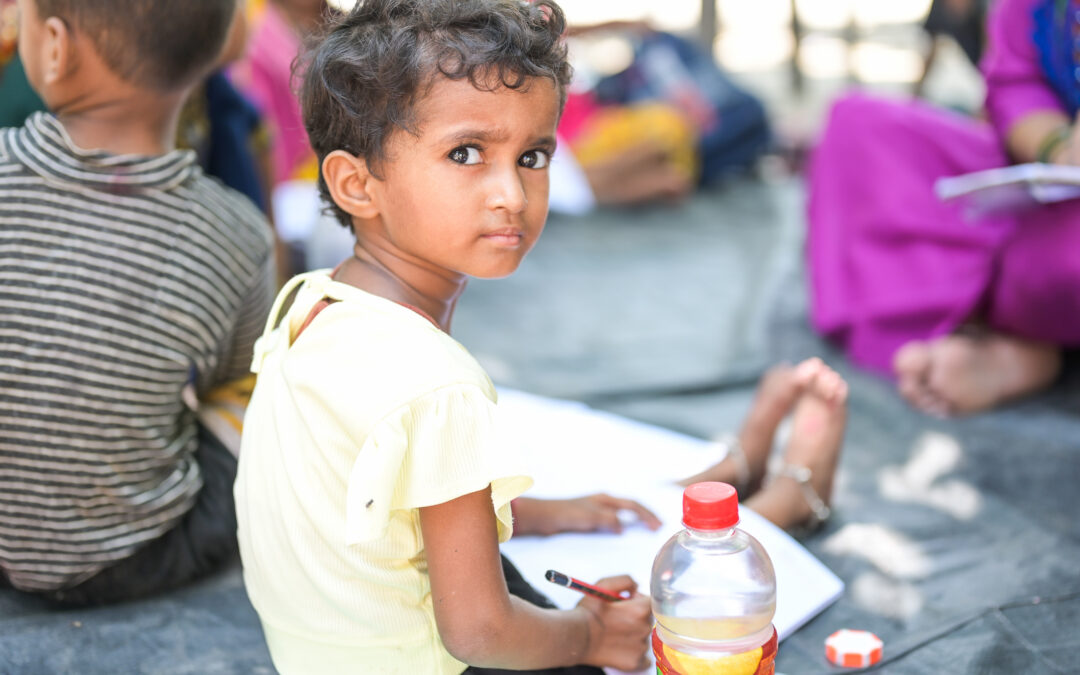
For example, a cook gas or LPG crisis can directly affect the meals children receive. If a foundation can no longer depend on cooked meals, it must quickly find alternate nutrition options that can be served without cooking. That may sound like a small operational shift, but in reality it changes everything – from cost to logistics to the emotional pull that keeps children coming to learn.
The impact is equally difficult for the women Sunaayy supports. Many are migrants in the city, managing homes, families, and work with limited resources. When fuel access becomes uncertain, they spend more time searching for alternatives and less time on work, learning, or self-development. Like everyone else, their families come first – but that also means progress slows, income is affected, and stability becomes harder to hold onto.
In moments like these, Sunaayy’s work becomes even more valuable. Because when the world feels unstable, children still need learning, women still need opportunity, and communities still need care.
This is also an appeal to decision-makers, supporters, and allies: to understand that geopolitical conflict does not only affect headlines. It affects ground-level non-profit work, daily nourishment, women’s livelihoods, and the ability of organizations like Sunaayy to keep serving.
The real reminder is this: nonprofit work is not separate from geopolitics. It is one of the first places where the human cost of conflict is felt — and one of the last places where hope is rebuilt.